Neural Brain Illustration Pack
A Designer’s First Look: Clean, Clinical, and Surprisingly Versatile
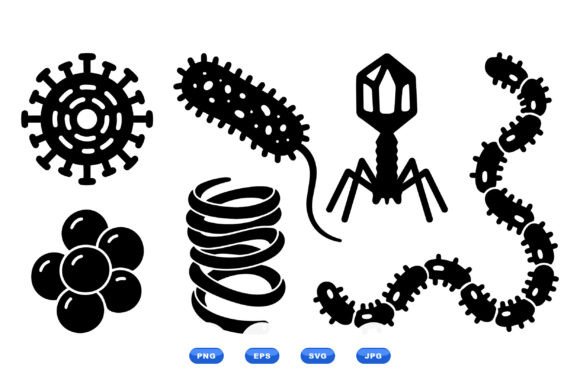
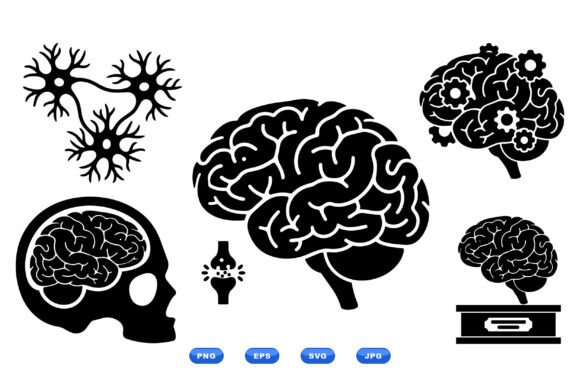
When I unzipped the Neural Brain Illustration Pack, my first thought wasn’t “medical textbook”—it was “elegant minimalism with purpose.” This isn’t a cluttered anatomical diagram or a cartoonish brain doodle. It’s a flat silhouette set—neurons, skull, spinal cord—all rendered in a simplified vector style that breathes clarity. The shapes are bold but not aggressive; precise but not sterile. There’s a quiet confidence in how little detail it uses to communicate complex ideas. That matters—especially when you’re translating it into thread.
Real-World Test: Embroidering a Neuroscientist’s Tote Bag
Last week, I prepped a custom order for a local neuroscience grad student: a heavyweight cotton tote bag with her lab’s logo on one side and a subtle, meaningful emblem on the other. I chose the neuron silhouette from the Neural Brain Illustration Pack—not as a focal graphic, but as a refined accent near the bottom hem. Why? Because its clean lines held up beautifully at 3.2 inches wide, and its open negative space prevented dense fill stitch buildup that could stiffen the fabric. Customers don’t want a stiff, crunchy tote—they want something they’ll actually carry daily. This design delivered exactly that: legible, lightweight, and quietly intelligent.
Where It Shines (and Where It Needs Care)
The Neural Brain Illustration Pack excels in contexts where simplicity reads as sophistication—not just education, but identity. Think embroidered sweatshirt cuffs for a neurology conference, baby onesies with a tiny skull outline (softened with gentle satin stitch), or linen pillow covers for a therapist’s waiting room. Its clinical tone works *because* it’s understated—not because it shouts.
That said, it’s not universally forgiving. On stretchy fabrics like jersey t-shirts, the sharp outer contours of the skull silhouette can distort if stabilizer is under-applied. On dark fabric, fine neuron branches may vanish unless you pair them with high-contrast thread (think neon lime or metallic silver). And on curved surfaces—like caps—the spinal cord motif stretches awkwardly across the front panel unless resized and repositioned thoughtfully.
Small hoop sizes (under 4×4 inches) demand attention too. The full spinal cord illustration spans more real estate than it appears on screen. Before stitching, I always isolate individual elements—say, just the neuron body—and test it alone. That way, I avoid surprise crowding or trimming mid-hoop.
Stitching Behavior: What You’ll Actually See on Fabric
This pack behaves like a well-edited design asset—not over-engineered, not underdeveloped. There’s no excessive running stitch outlining, no unnecessary density in open areas. Fill stitches are generous where needed (like the skull base), but leave intentional breathing room elsewhere. That translates to smoother embroidery flow, less thread breakage, and cleaner wash durability—critical for baby embroidery or holiday embroidery meant to last years.
I ran a quick test on tea towels: same design, two thread colors (charcoal gray and ivory), same stabilizer. On light fabric, the gray gave crisp definition; on dark, the ivory popped without looking fragile. No ghosting. No bleeding. Just consistent, confident execution—exactly what small shop product consistency demands.
For Etsy Sellers and Craft Business Owners
If you sell personalized gifts or boutique merchandise, the Neural Brain Illustration Pack is a stealth-value asset. It’s niche enough to stand out in search (“neuroscience gift,” “anatomy embroidery”), yet broad enough to cross categories—apparel, home goods, nursery decor, even wedding gifts for med-school couples. I’ve already added it to three digital embroidery file listings: one as a standalone patch design, another bundled with “Science Lover” phrases, and a third as part of a printable mockup pack for craft fair vendors.
But here’s the practical note every Etsy seller needs: check licensing before listing anything commercially. The product description says it’s for “educational charts, posters, and medical presentations”—but does that include finished embroidered patches sold on your shop? Confirm. Don’t assume. A clear license protects your craft business, your reputation, and your customers’ trust.
Design Assets That Earn Their Place
What separates a good embroidery file from a truly useful one? It’s how little you have to fix—and how much it enhances your brand voice. The Neural Brain Illustration Pack doesn’t ask for heavy editing. No redrawing corners. No simplifying over-detailed neurons. It arrives production-ready, with smart spacing and balanced weight. That saves time, reduces errors, and elevates your handmade product’s perceived value.
And yes—it boosts buyer engagement. When a customer sees a clean, confident brain motif stitched cleanly on a kitchen towel, they don’t think “generic clipart.” They think “this maker understands design *and* meaning.” That quiet professionalism builds recognition. It makes repeat orders feel inevitable.
Five Must-Do Checks Before Stitching
- Test on scrap fabric first—especially if using textured weaves like canvas or terry cloth.
- Review stitch density in your embroidery software; adjust fill angles if needed for smoother texture on knits.
- Confirm hoop size compatibility; some motifs scale better than others for tight spaces like cap fronts or baby onesie shoulders.
- Inspect small details at actual stitch size—those fine neuron filaments should remain distinct, not blur into a single line.
- Use proper stabilizer: medium-weight cutaway for stable fabrics, tear-away + topping for napped or delicate surfaces.
Final Thought: Not Just Anatomy—It’s Attitude
The Neural Brain Illustration Pack isn’t about labeling parts of the nervous system. It’s about communicating curiosity, care, and clarity—whether you’re stitching a graduation gift for a pre-med student or branding a wellness studio’s aprons. As a designer who’s reviewed hundreds of graphics for Crafts and Graphics categories, I can say this plainly: it earns its place in your embroidery project library—not because it’s flashy, but because it’s functional, thoughtful, and quietly memorable. Use it right, and it won’t just decorate your product. It’ll deepen its story.